

Architecture Diagrams
Ce contenu n’est pas encore disponible dans votre langue.
Architecture Diagrams
Section titled “Architecture Diagrams”Overview
Section titled “Overview”These diagrams explain the platform shape without exposing private implementation details. Use them in customer reviews, onboarding sessions, and integrator conversations when a visual model is clearer than a long written specification.
Components
Section titled “Components”| Diagram | Responsibility |
|---|---|
| Architecture layers | Shows the modern layered service model. |
| SQL query stream | Shows the bounded Query Workbench v1 request, response, parser Worker, and flow-control path. |
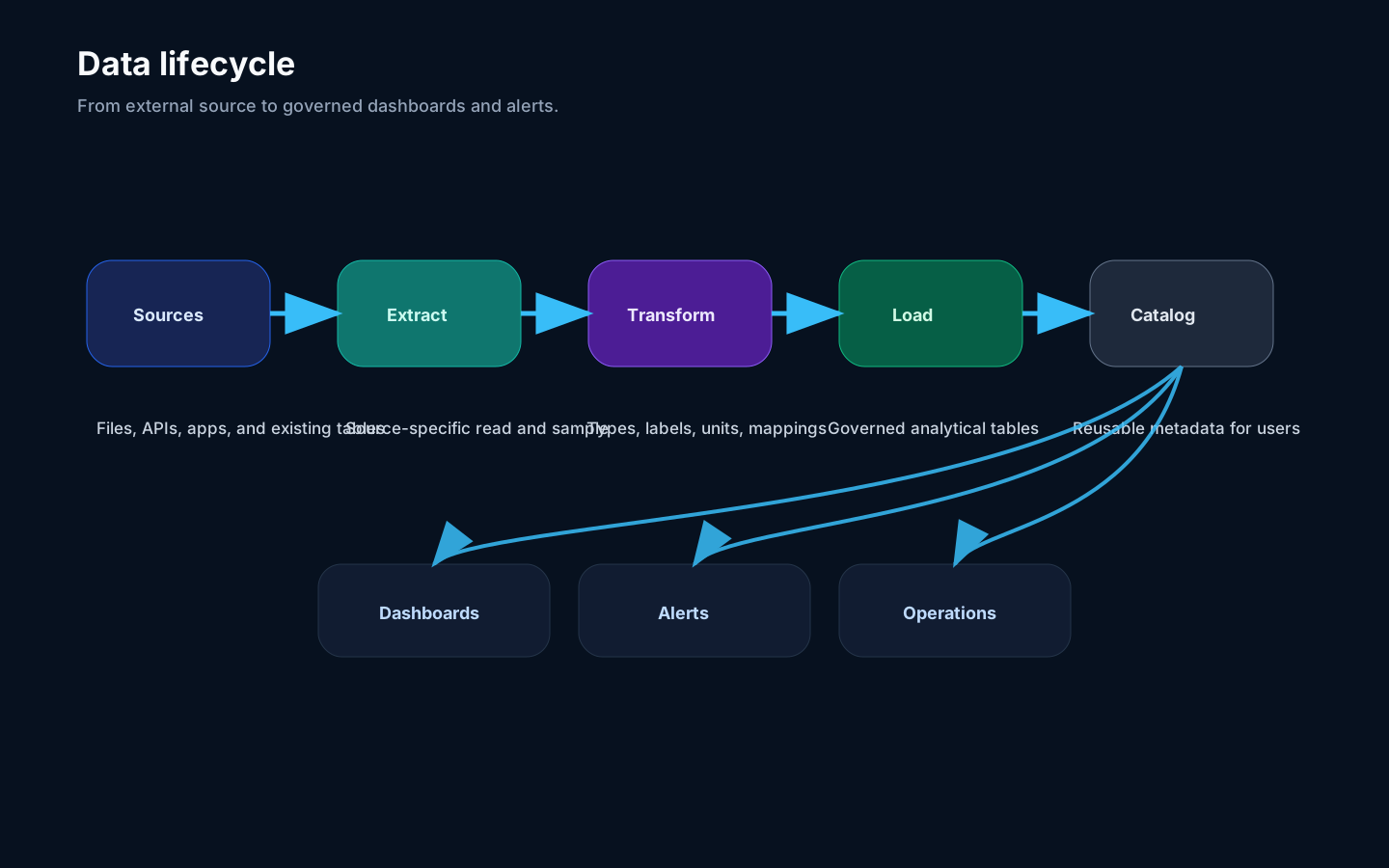
| Data lifecycle | Shows how data moves from source systems into dashboards and alerts. |
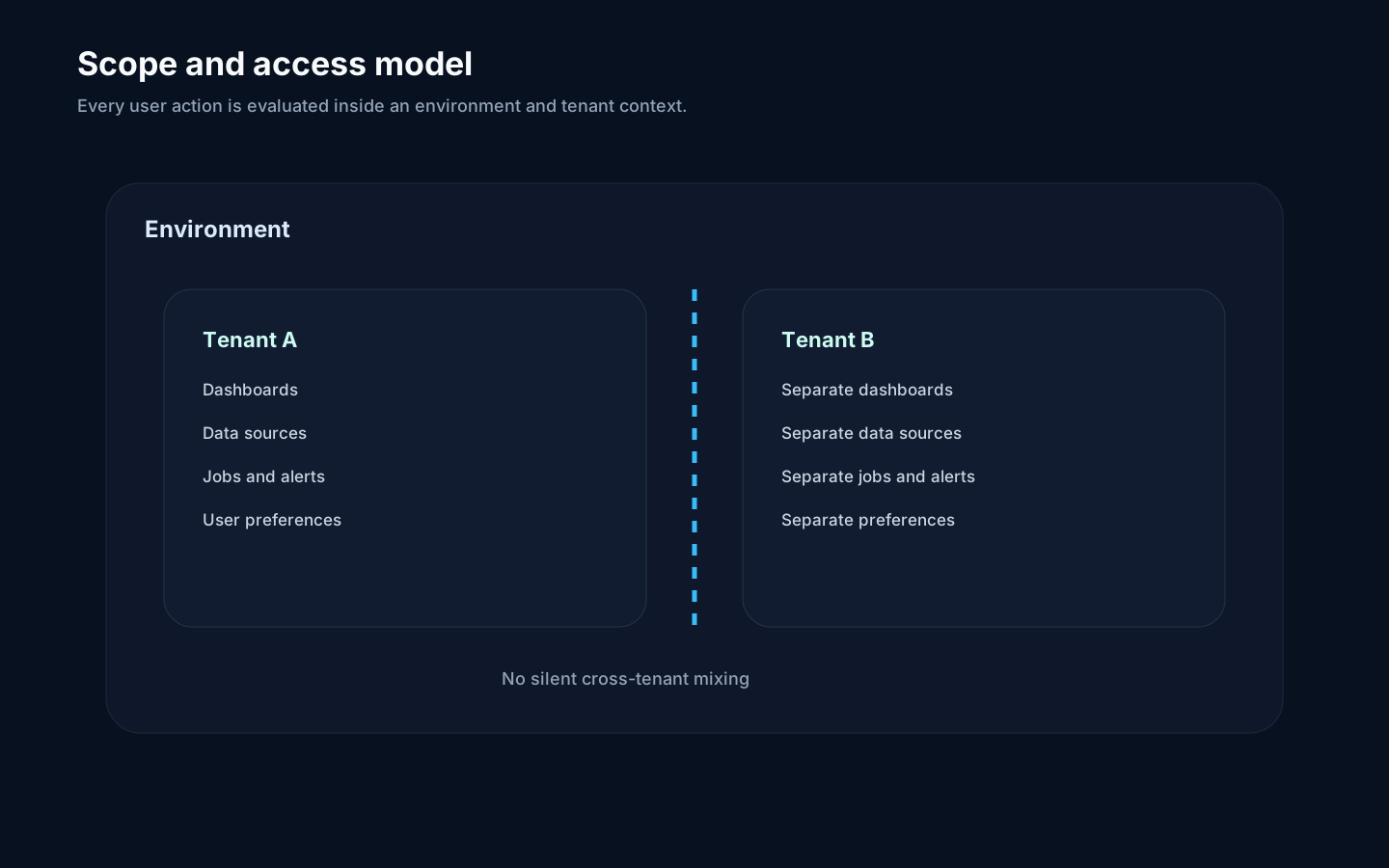
| Scope and access | Shows environment and tenant isolation. |
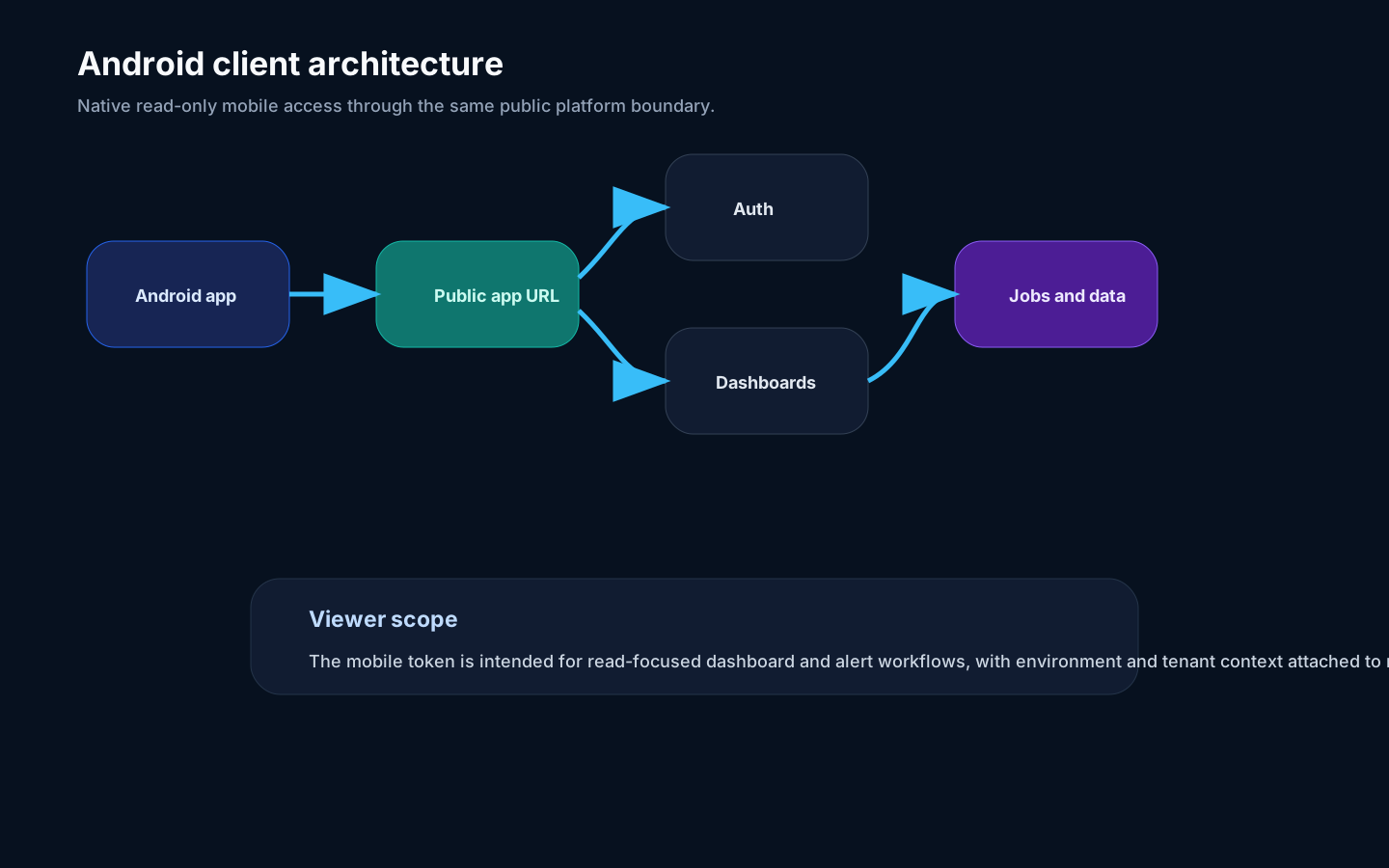
| Android client | Shows how native mobile access uses the public platform boundary. |
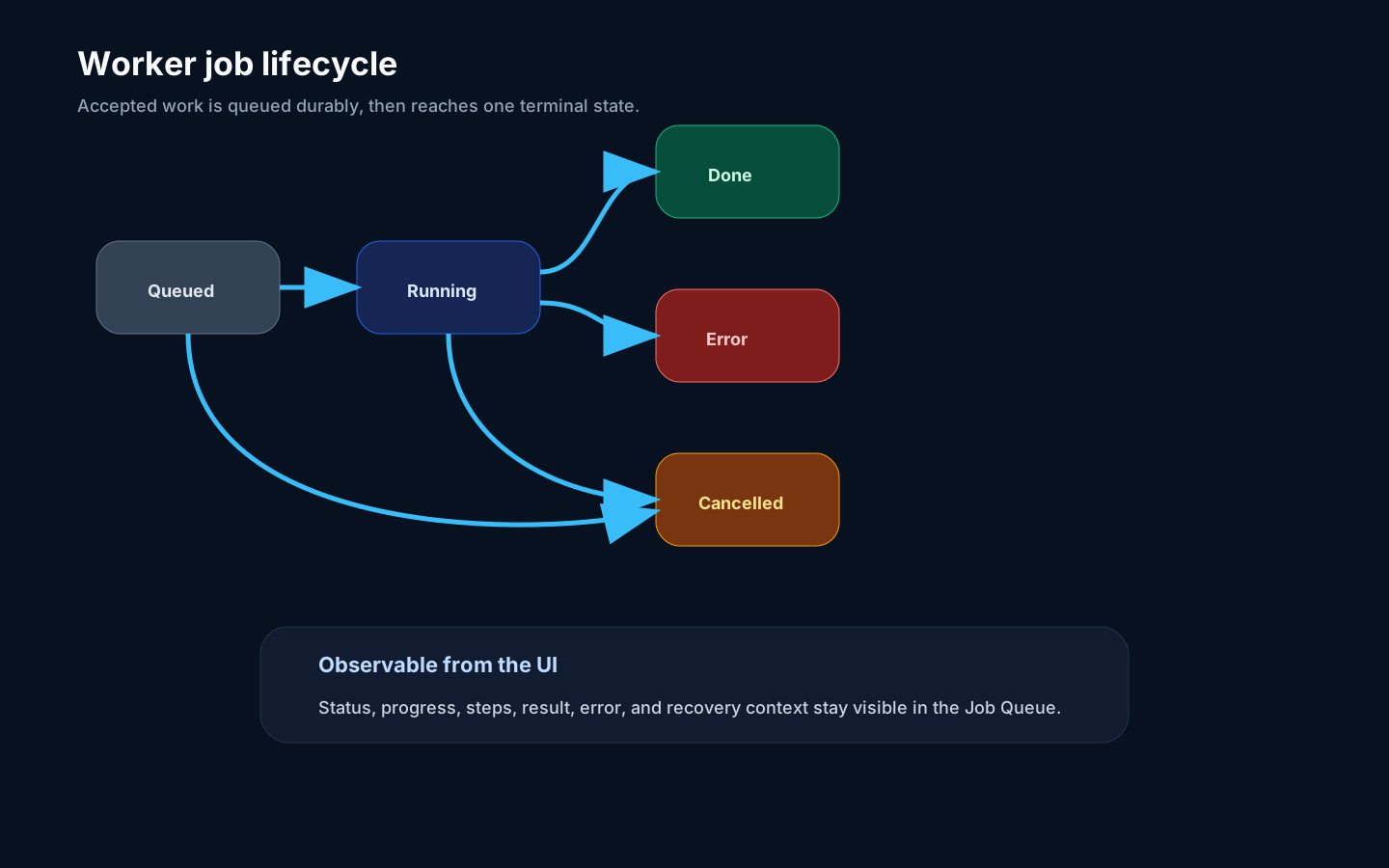
| Job lifecycle | Shows how long-running work is tracked and recovered. |
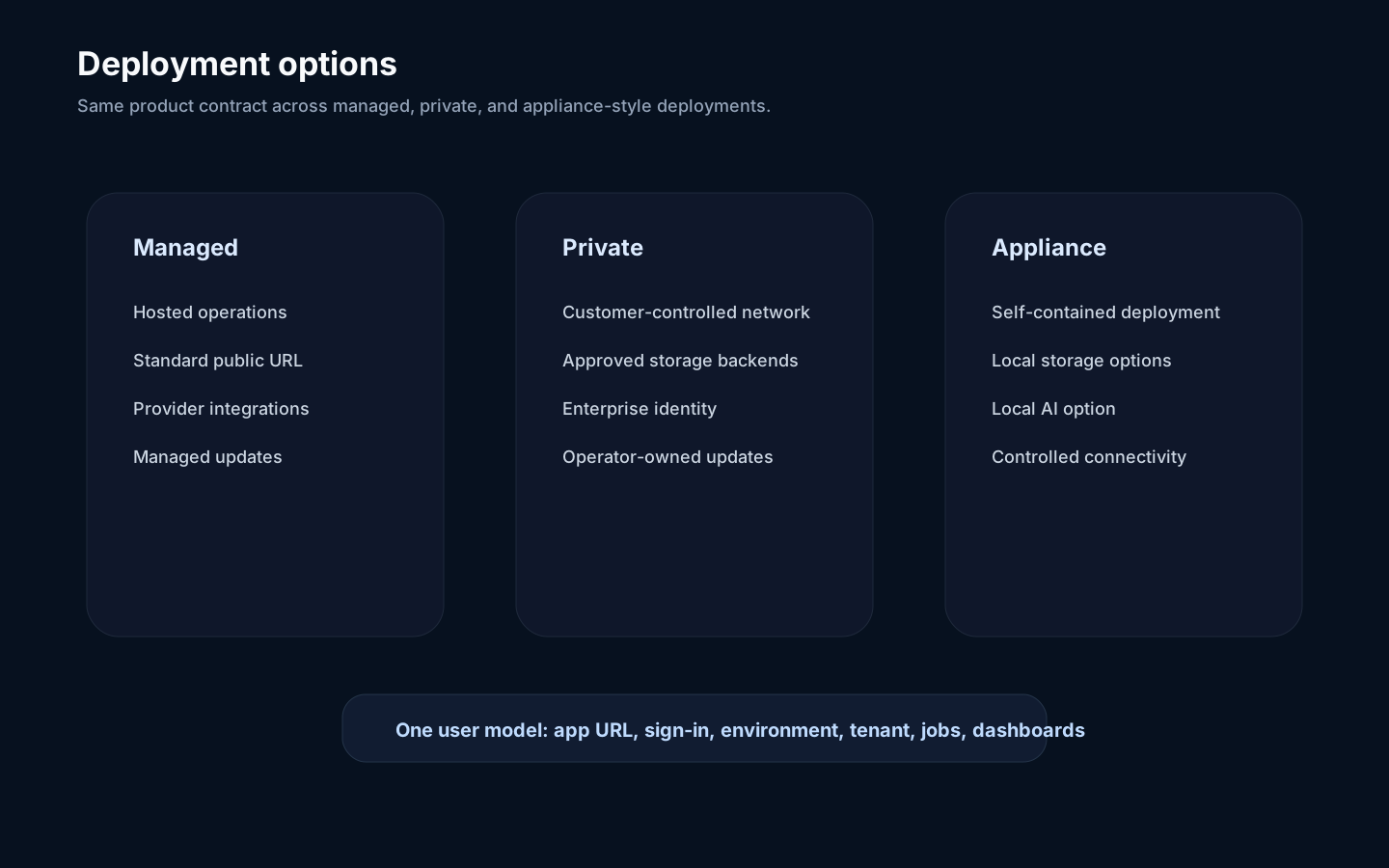
| Deployment options | Shows managed, private, and appliance-style options. |
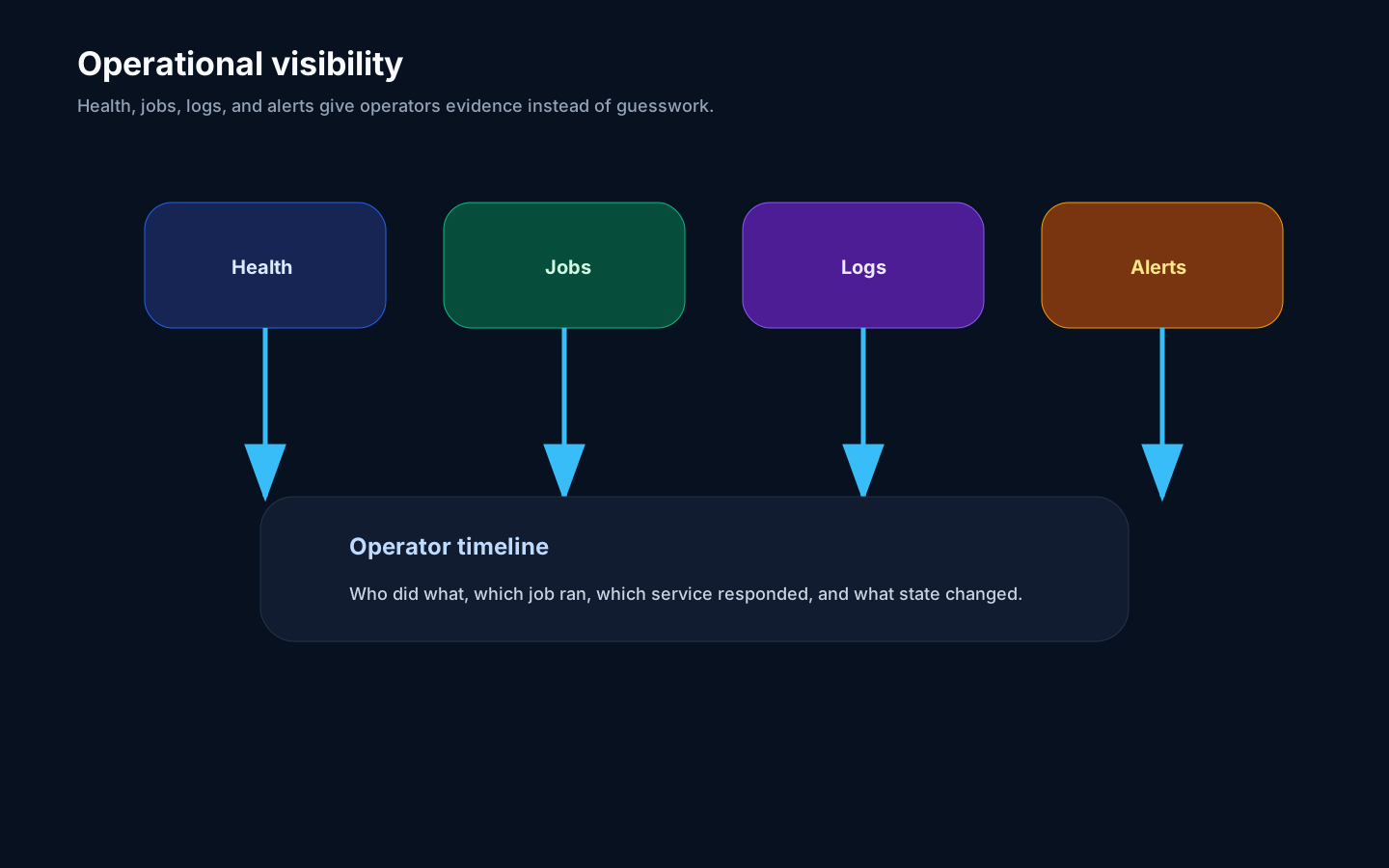
| Operational visibility | Shows how health, jobs, logs, and alerts support operators. |
Data flows
Section titled “Data flows”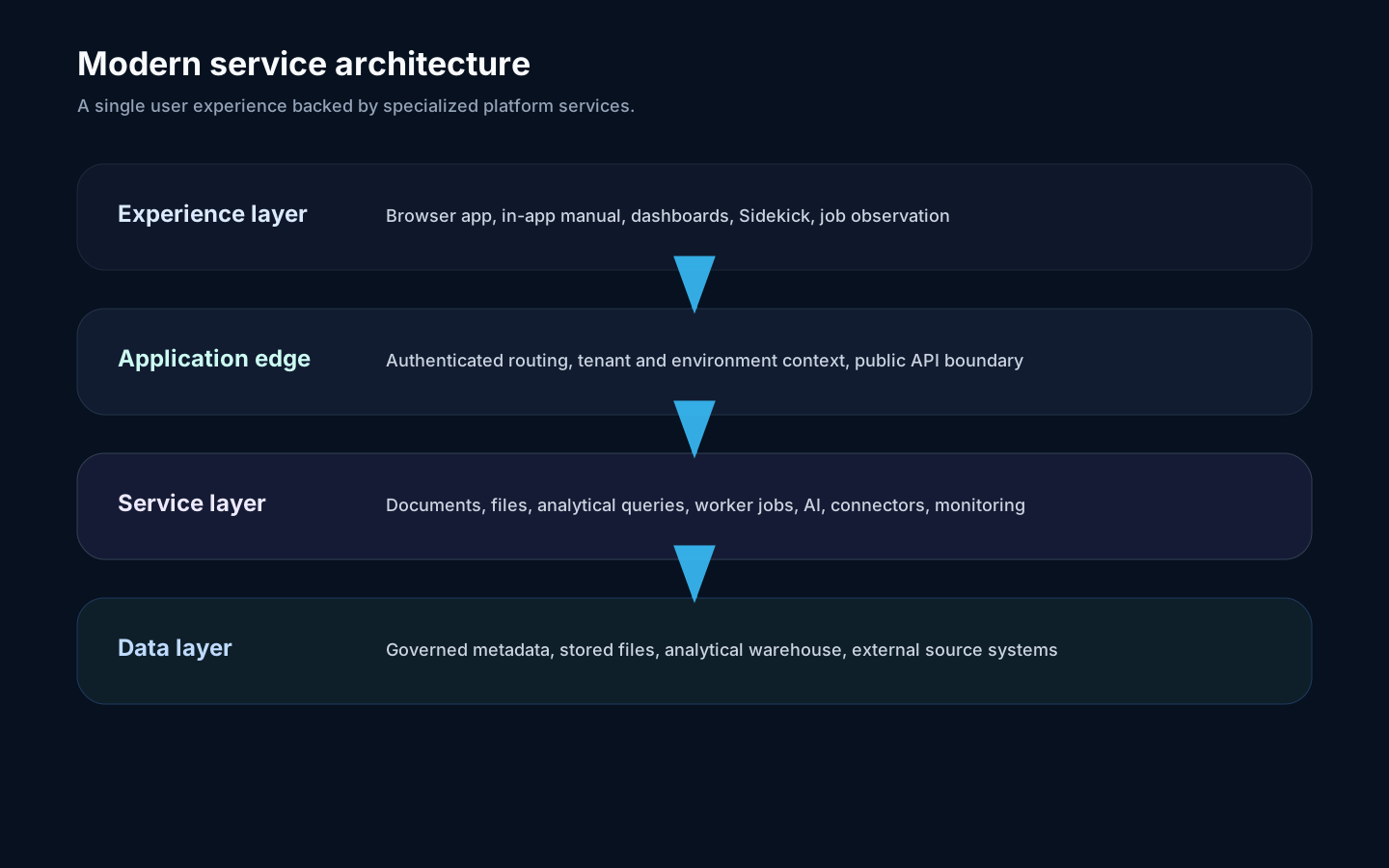
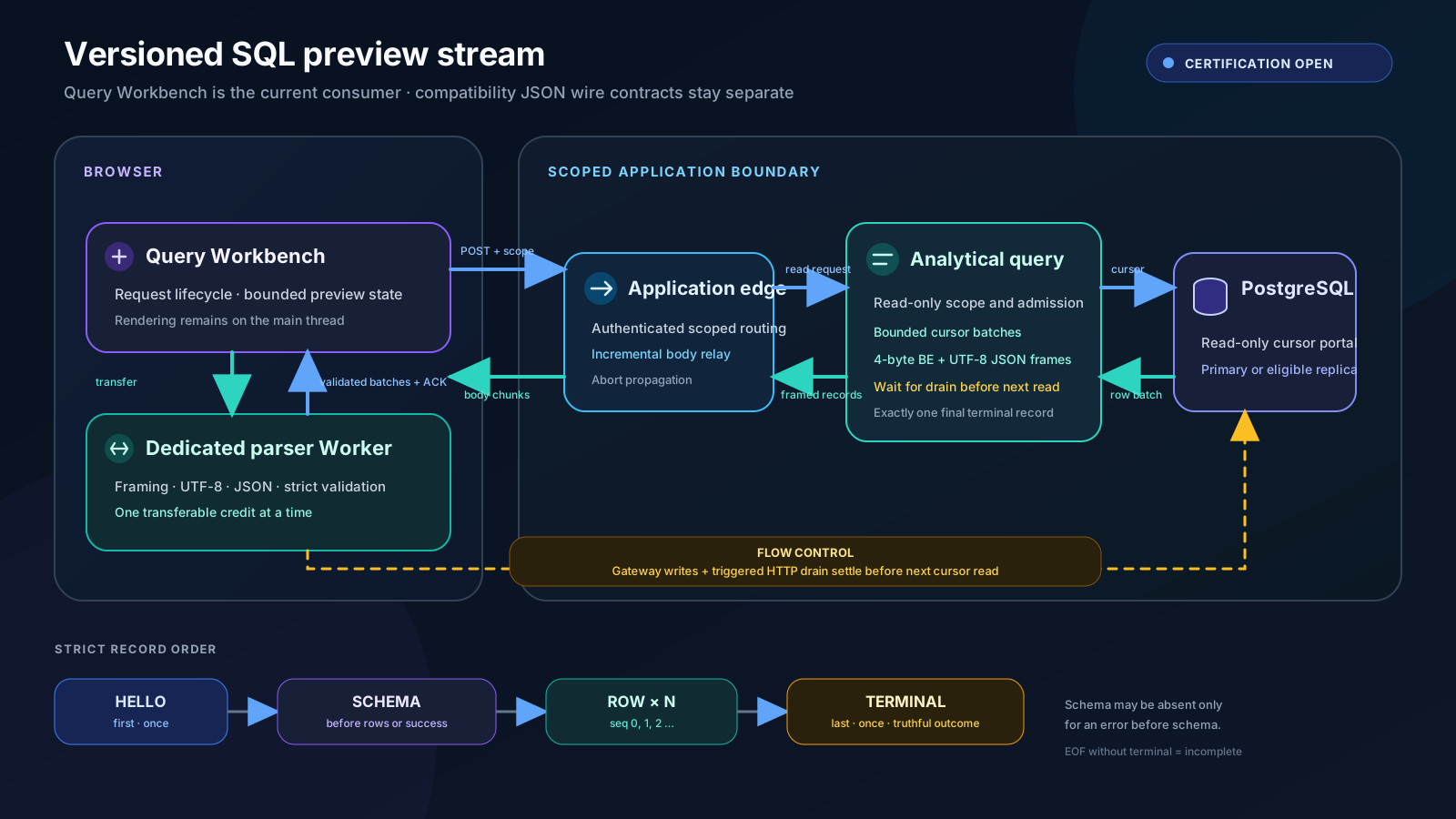
Text alternative: Query Workbench sends a scoped read request through the
application edge and analytical query service to PostgreSQL. PostgreSQL returns bounded
cursor batches that become length-prefixed JSON records. The browser transfers one
chunk at a time to a dedicated parser Worker and receives validated provisional row
batches plus a terminal record. A complete or truncated terminal commits the rows; an
error or terminal-less EOF discards them. Flow control propagates from Worker
acknowledgement through browser reads only when transport buffers exert
backpressure. SQL Gateway itself completes all writes and any triggered HTTP
drain wait before the next cursor batch; Worker ACK is not a direct gateway
barrier. Compatibility JSON routes remain separate.
Failure modes
Section titled “Failure modes”The diagrams intentionally describe boundaries rather than private service addresses. During an incident, use the same visual model to decide whether the symptom is at the entry point, service layer, data layer, job layer, or external provider boundary. For a v1 preview, EOF without a valid terminal record identifies an incomplete stream rather than a successful partial result; its provisional rows are discarded.
For customer conversations, start with the layered architecture diagram, then show the data lifecycle and scope model. Those three visuals usually answer the most important trust questions: where the browser connects, how data becomes governed, and how workspaces stay isolated.